
In memoriam: Juin Dobson (1933 - 2026)
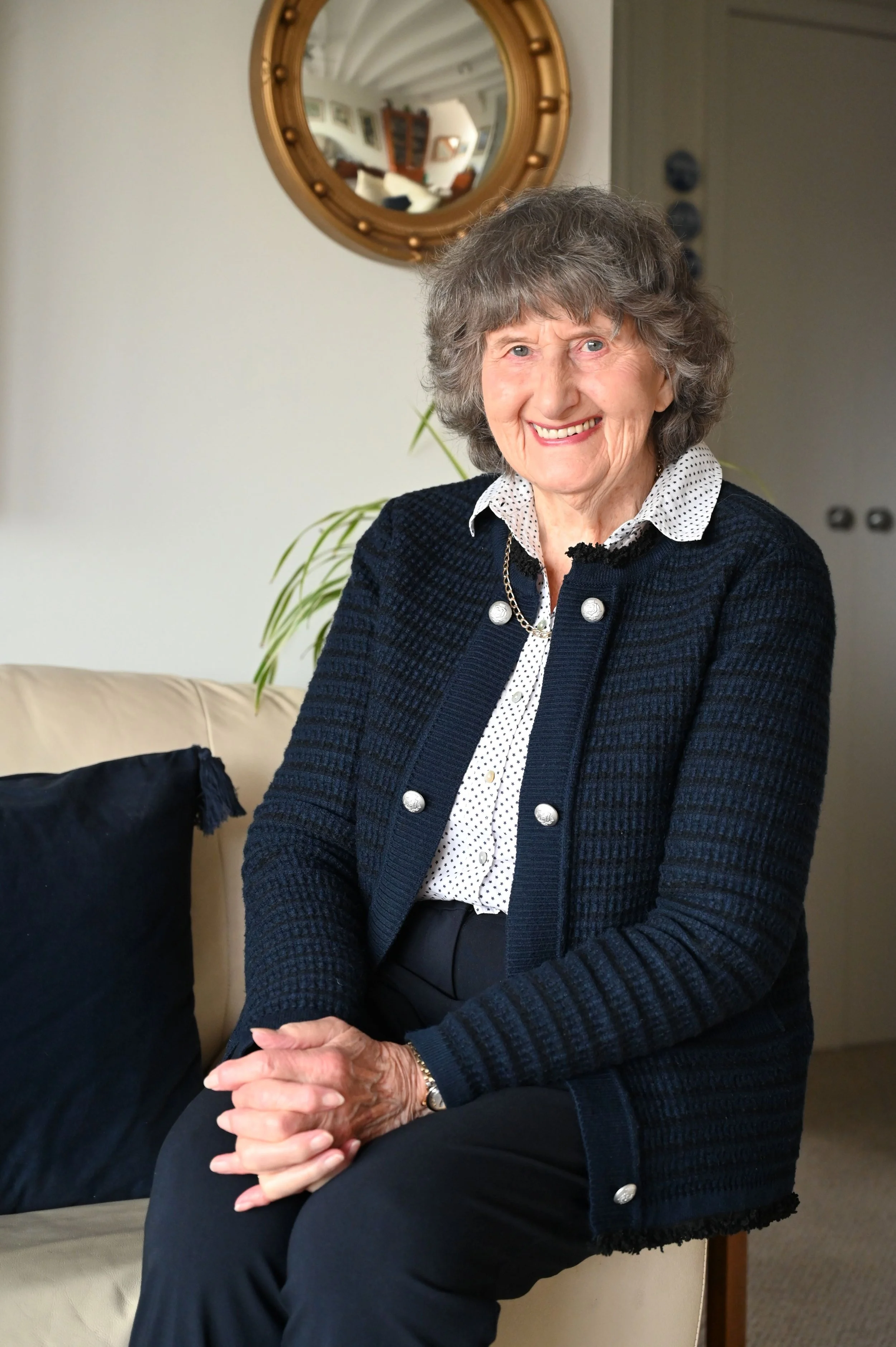
The Clifford Craig Health Foundation mourns the passing of much-loved nurse and one of the Dorset Friends founders, Juin Dobson. Earlier this year, we sat down with Juin, her husband Arthur and their daughter Clare to write this article about her life, career and establishing the Dorset Friends community fundraising group for Clifford Craig Medical Research Trust.
The many lives of Juin Dobson: midwife, leader, and the heart of Dorset Friends
In the coastal town of Bridport, where waves roll onto white sand and community is a way of being, the story of Juin Dobson has become part of the local tapestry. Her life stretched across continents, institutions, operating theatres, fundraising halls and the hearts of the families she served. To understand the Clifford Craig Health Foundation’s Dorset Friends, and the community energy that helped shape modern regional healthcare, you begin with Juin.
A Bridport life, built on community
Juin and her husband Arthur lived a life deeply woven into Bridport’s fabric. Arthur, known for his earth‑moving business and for grading the local footy ground with the precision only he could deliver, was a fixture in the town just as Juin was.
Her local ties ran through the Bridport History Group, where friends like Nigel Mercer preserved the stories of the community with passion and hard‑copy archives. She worked alongside Philippa Hirst on National Trust trips, serving as Treasurer, a role she filled with her signature steadiness.
“People like us were community minded,” she said.
“Arthur and I volunteered across Bridport.”
It was simply who they were.
The nurse who became a leader
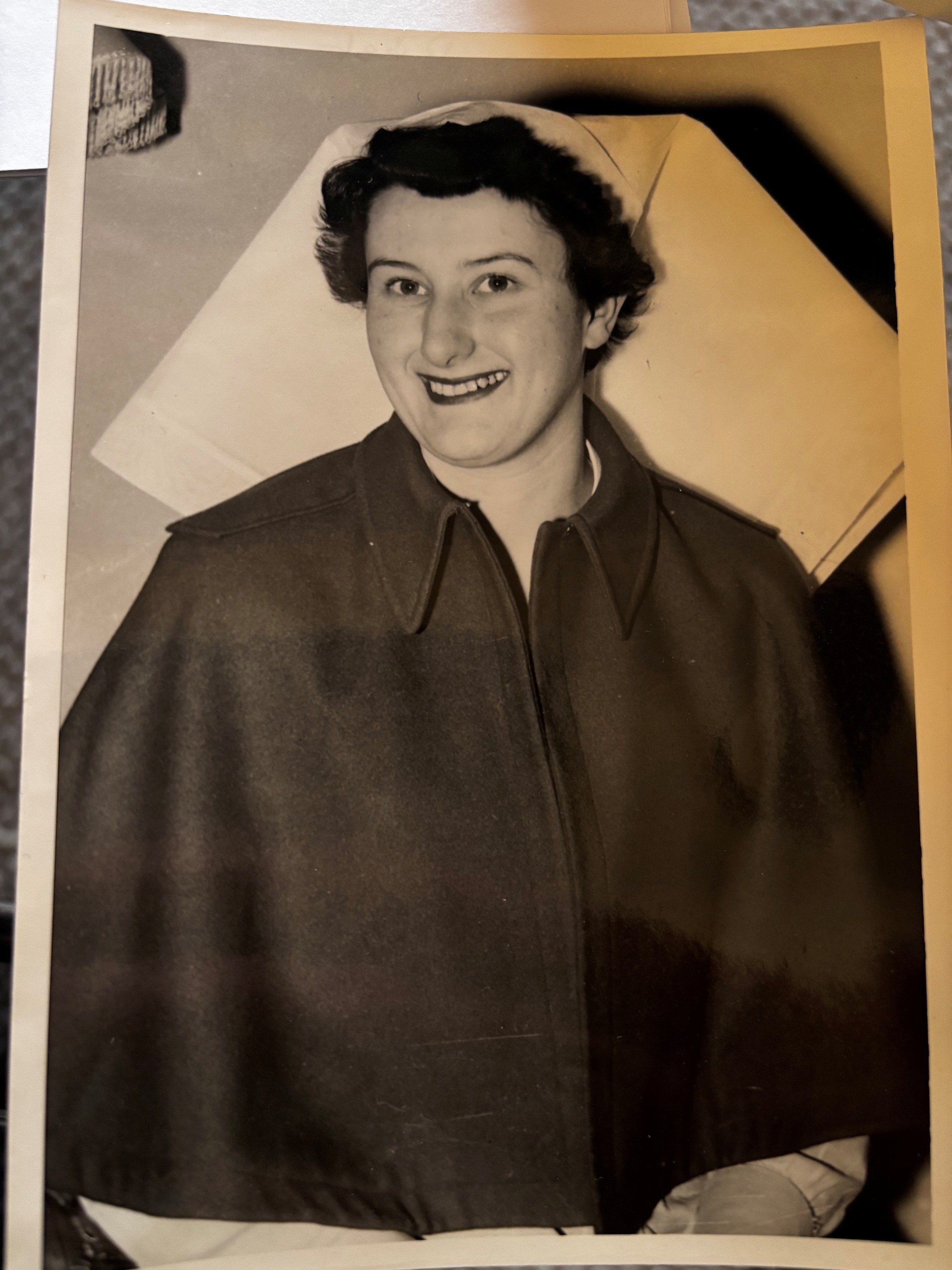
Born Juin Best, she trained at the Launceston General Hospital before travelling to Sydney to complete her midwifery training at Royal Prince Alfred Hospital (RPA). It didn’t take long for her colleagues to see she was something exceptional.
With only nine months of midwifery experience, Juin was placed in charge of a 51‑bed public obstetrics ward, a role akin to today’s Nurse Practitioner level. She worked closely with the hospital chemist and, uniquely for the era, forged a long‑standing, respectful partnership with an obstetric doctor. Leadership didn’t intimidate her yet she didn’t actively seek it out; it seemed to come naturally.
Juin mentored clinicians in their early career like Professor Ian Douglas‑Cooke, who became a towering figure in obstetrics and gynaecology. This came about through Juin realising in her promoted role with additional treatment responsibilities, she needed to arrange Doctor supervision for administering certain medications. Whilst this was a compliance matter, it was actually Juin who was offering in depth mentorship to Ian for weeks on end during hospital rounds, developing his interest in the discipline of obstetric care. Later, while travelling through Europe, and then touring through England, she was hosted for morning tea at Aberdeen Hospital in Scotland, where she reconnected with Ian in his capacity as a Professor at the hospital. To her absolute surprise, Juin was offered the opportunity to head a research unit at the hospital, a testament to the calibre of her expertise. Juin had already booked to return to Australia however.
Her innovations followed her everywhere. At RPA she improved ward record‑keeping systems that became the gold standard across the hospital. She advocated with Professor Mays to replace the discomfort of traditional breast binding with uplift‑style support garments, an innovation now standard practice.
In 1963, she returned to Tasmania to work at Queen Alexandra Hospital in Hobart, where she brought fresh thinking that colleagues embraced. At the Mother and Baby Unit, she once delivered an undiagnosed breech baby under instructions relayed from an obstetrician who was in theatre. Calm, skilled and steady, this was the Juin everyone relied on.
A clinician who could change lives
Her influence on the next generation was profound. At the 90th annual nurses and midwives’ reunion, guest speaker Ian Harmon publicly credited Juin with inspiring his entire nursing career, one that later saw him run a specialist clinic in Melbourne.
Her passion for obstetrics was clear. Even years later, recalling her time at the Alfred, she would pause, sometimes visibly moved, at memories of the privilege and intensity of caring for women and newborns.
And outside the wards, she found joy in challenge. A tennis player from childhood, she preferred playing against men. At the LGH, she’d often have a hit with the doctors.
“It’s a different game,” she’d say with a glint of mischief.
The Dorset Friends begin
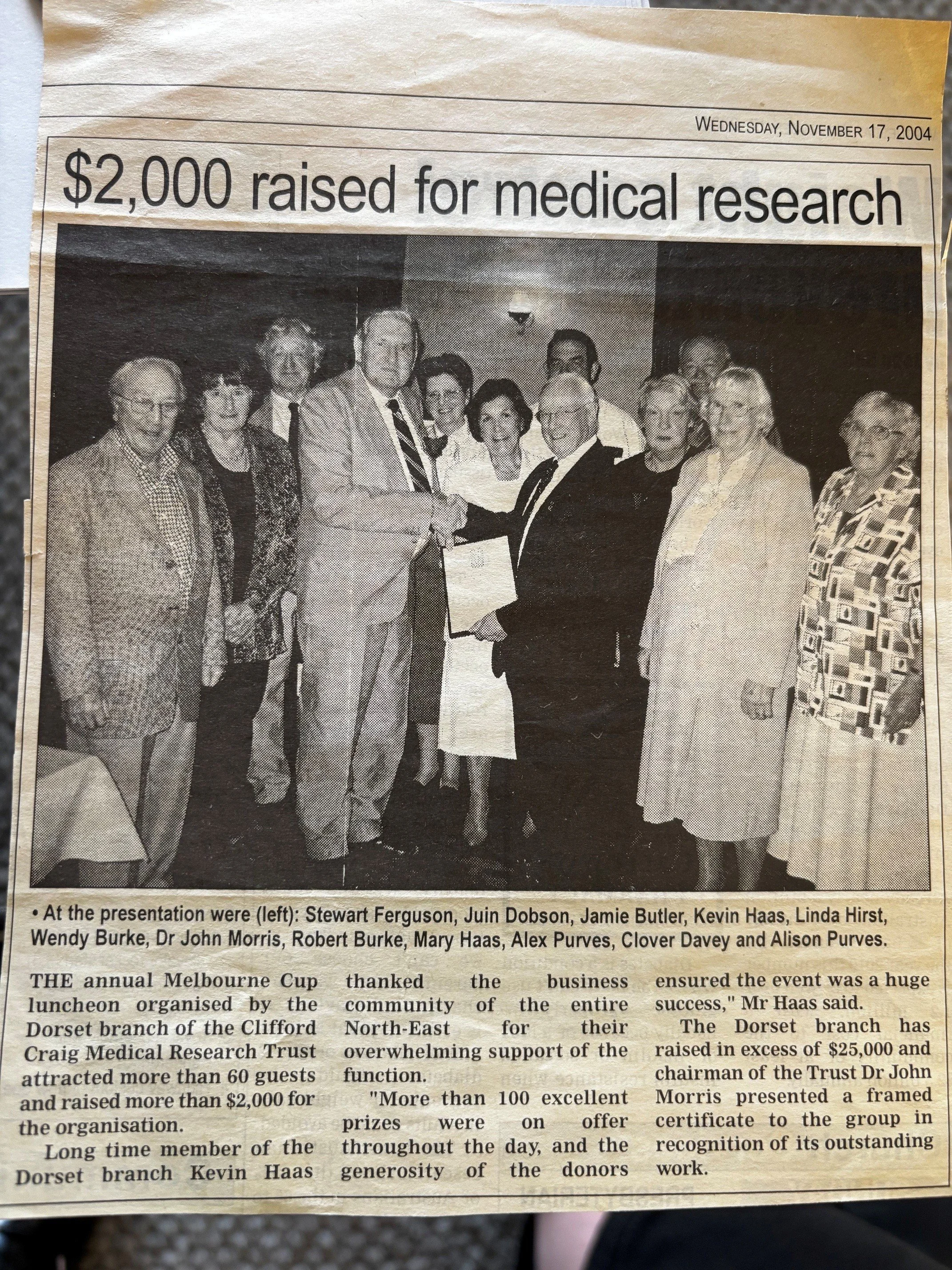
Through the 1980s, Juin formed a deep mutual respect with Dr John Morris AO, would later become the founding Chair of the Clifford Craig Medical Research Trust. She admired his unusual journey, from the museum and zoology into medicine, and his unwavering commitment, even as his health declined. Dr Morris AO, was a loving father of five children and a committed Christian, a loving husband and a community leader (Richards, P. A Tribute to Dr John Morris, 2018).
As Juin reflected, he embodied his Christian values through his service to local health improvements, mastering his professional networks and ability to engage people from all walks of life.
In 1993, the Dorset Branch of the Clifford Craig Medical Research Trust was established. Its early members included:
Juin Dobson
Clover Davey
Phillipa Hirst
Ros O’Connor
Tony Maloney
Stewart Ferguson
People travelled from as far as St Helens to attend meetings in Bridport. Guided by Executive Director Phil Baker, and energised by Dr Morris, who attended Dorset meetings and fundraising events with great loyalty, the group quickly became a powerhouse of community‑driven philanthropy.
Their purpose was simple but ambitious: make money, spread the word, improve healthcare.
“People won’t give unless they understand how the service impacts them,” Juin insisted.
So researchers came to Dorset. They spoke, explained and connected, and the community gave generously.
Fundraising with flair
Melbourne Cup luncheons, Scottsdale Pub: Sweeps, raffles, community donations, guest speakers like Jo Palmer, and desserts the Friends made themselves to stretch fundraising dollars further.
Cocktail parties at Beauwood: Stylish evenings with a philanthropic heartbeat.
Medieval banquets: Complete with hessian‑lined halls and a sense of playful extravagance, not what one expects in a rural town and all the more memorable for it.
It was grassroots philanthropy at its very best, and it helped build the early financial momentum for the Clifford Craig Foundation’s future.
A legacy of leadership and heart
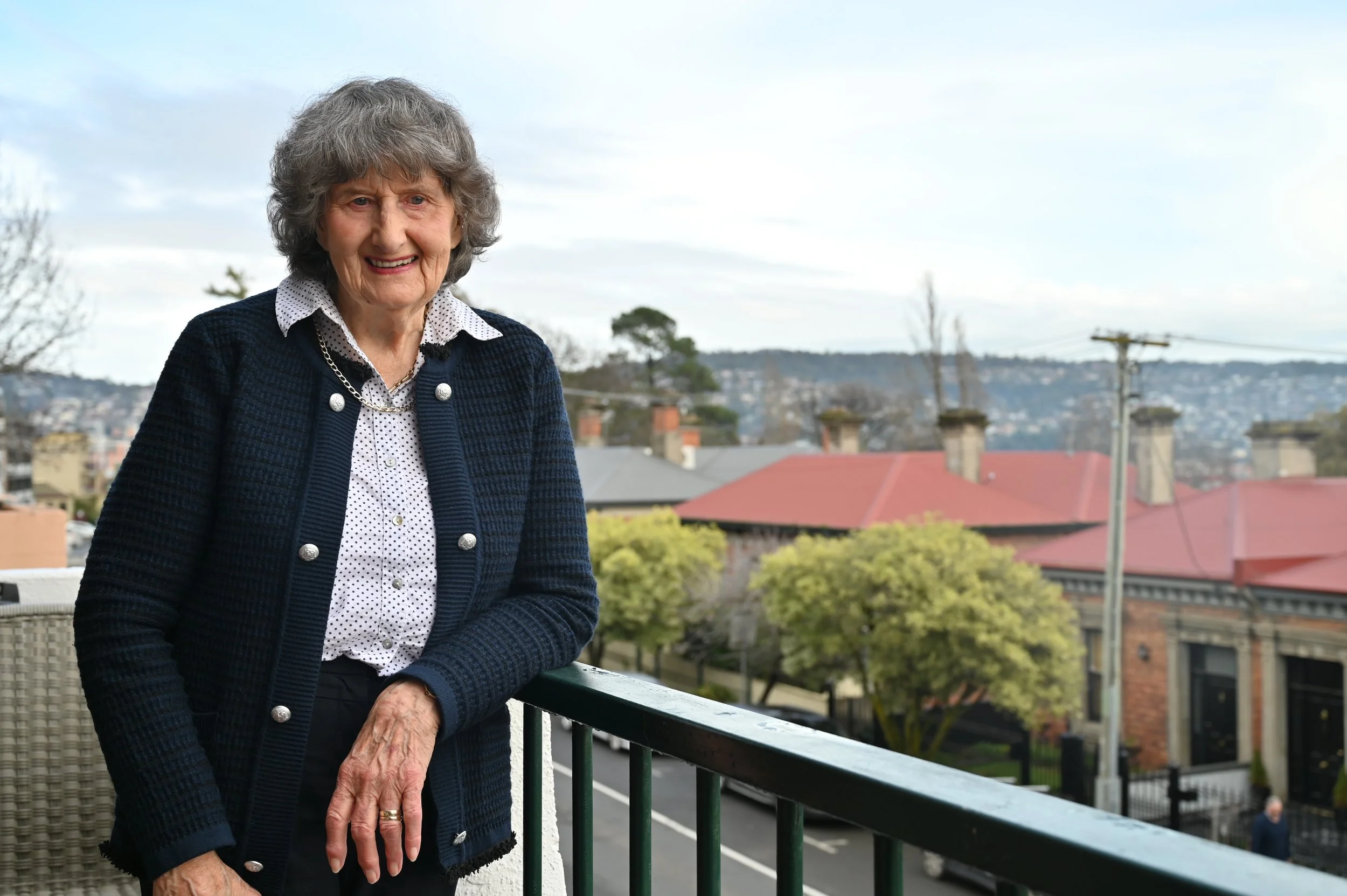
Juin Dobson lived many lives; midwife, mentor, innovator, volunteer, community leader, friend. Her story is stitched into the fabric of Bridport, into the lives of the young families she cared for, and into the evolution of the Clifford Craig Health Foundation.
She inspired clinicians who went on to inspire others. She pushed hospital systems to improve. She elevated community fundraising into a force for regional healthcare. And she did it all with the same steady conviction:
To care well, to lead quietly and to give back generously.
Her legacy was felt in every Dorset Friends event, every research project supported in the early years and every clinician who ever felt braver or more capable after standing beside her.
In Tasmania’s medical story, Juin Dobson is not just part of the history, she helped write it by uniting her clinical life with community.
Reference:
Richards, P, 2018. A Tribute to Dr John Morris, Clifford Craig Foundation, Tasmania.